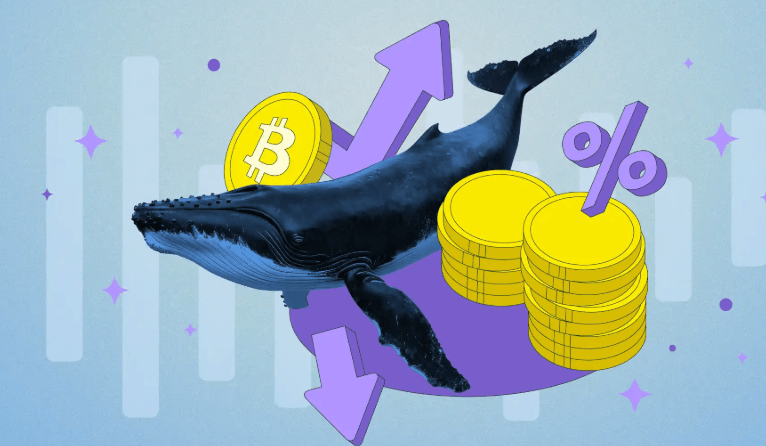
Whale activity offers a barometer for sentiment shifts in crypto markets. The scene is data-driven: on-chain flows, liquidity movements, and layered orders foreshadow persistence or reversal. Large bets imply risk appetite changes and potential volatility spikes. Observers weigh guardrails and position sizing as signals evolve. The picture remains nuanced and forward-looking, demanding careful monitoring of evolving patterns. A closer look may reveal how big bets translate into actionable risk signals, but the next move remains uncertain.
What Whale Activity Tells Us About Market Pulse
Whale activity serves as a barometer for market sentiment, signaling shifts in buying pressure and potential trend reversals before broader participation materializes.
The analysis focuses on whale psychology and liquidity churn, translating large-position moves into measurable risk signals.
A forward-looking lens assesses persistence, distribution, and volatility, enabling disciplined decisions while acknowledging uncertainty and the freedom to adapt strategies as conditions evolve.
Reading On-Chain Signals Behind Big Bets
Reading on-chain signals behind big bets requires a disciplined, data-driven approach that translates on-chain activity into actionable risk signals. Analysts track whale liquidity movements and correlate them with market structure shifts, aiming to reveal informed edges. The focus remains forward-looking and risk-aware, translating complex on chain signals into concise guardrails that empower freedom-minded participants to navigate evolving crypto dynamics.
How Whales Layer Orders and Move Liquidity
In analyzing how whales layer orders and move liquidity, the focus shifts to transactional patterns that precede major shifts in market structure. Observed whale layering reveals staged orders and hidden liquidity pools, while liquidity shifts precede price revaluations. The lens remains data-driven, forward-looking, risk-aware, and freedom-oriented, avoiding speculation and emphasizing measurable signals, risk controls, and transparent evaluation of market resilience.
Practical Ways to Track Whales and Manage Risk
Given the data-driven nature of whale activity, practitioners can triangulate signals from size-attributed sweeps, time-weighted average price shifts, and transfer-to-exchange patterns to identify likely liquidity moves before they manifest in price action.
Whale clustering informs risk signals, while awareness of liquidity tides guides position sizing, stop placement, and exposure limits with disciplined, forward-looking risk controls.
Freedom-minded investors stay vigilant.
See also: Use Cases of Blockchain in Business
Frequently Asked Questions
Do Whales Influence Long-Term Adoption Trends or Just Short-Term Moves?
Whale psychology appears to shape short-term moves more than enduring Adoption dynamics; however, substantial capital inflows can recalibrate risk appetites and project trajectories. The analyst notes potential long-range influence amid volatile cycles, signaling cautious, freedom-oriented trajectory assessment.
Which Indicators Best Predict Whale-Driven Drawdowns vs. Rallies?
An illustrative case shows sudden liquidity dynamics and order flow shifts signaling whale-driven moves; indicators like depth contraction, skew, and realized volatility help forecast drawdowns versus rallies, but risks arise from regime changes and data noise.
How Do Regulatory Changes Impact Whale Behavior Across Exchanges?
Regulatory changes influence whale behavior by increasing regulatory uncertainty, prompting cautious cross-exchange coordination as participants time moves, hedge more granularly, and diversify venues; forward-looking risk awareness suggests adaptive strategies while maintaining freedom to navigate evolving regimes.
Can Retail Traders Participate Profitably During Whale-Driven Events?
Retail traders can participate, but profitability hinges on disciplined timing and risk management; they should monitor whale liquidity signals and optimize retail timing to avoid adverse slippage during whale-driven events.
What Ethical Considerations Arise From Tracking and Acting on Whale Moves?
What ethical considerations arise from tracking and acting on whale moves? The analysis highlights transparency, consent, market manipulation risk, data accuracy, and privacy. It remains data-driven, forward-looking, risk-aware, and freedom-minded, emphasizing responsible behavior amid whale moves.
Conclusion
Whale activity serves as a forward-looking gauge of market sentiment, with large flows and layered orders signaling potential shifts in risk appetite. By tracing on-chain signals, liquidity movements, and execution patterns, traders can anticipate persistence, adjust sizing, and set guardrails accordingly. The landscape remains volatile and data-dependent, demanding disciplined monitoring and adaptive risk controls. Like a weather vane for markets, these signals point toward evolving conditions, guiding prudent exposure and timely risk management in uncertain times.